Gun Barrel Life Cycle Sustainment
See inside. Know condition. Sustain readiness.
Inspection, cleaning, verification, measurement and a retained condition record for every tube — delivered as one managed program.
What is gun barrel life cycle sustainment?
Gun barrel life cycle sustainment is the managed process of keeping a weapon tube in a known, documented condition across its service life. It combines bore inspection, fouling removal, post-clean verification, dimensional measurement, and a retained record for each individual tube, rather than a single maintenance event performed in isolation.
The Distinction
GBIS is the instrument. SAFEBORE is the program.
GBIS shows bore condition. SAFEBORE establishes it, verifies it, measures it, and keeps the record — the same tube, across its life.
Zistos GBIS
- What it is
- A video borescope system.
- What it delivers
- High-resolution bore imagery and dimensional measurement.
- Scope
- A single inspection.
- Who operates it
- Your armorer.
- Output
- Images and measurements.
SAFEBORE
- What it is
- A managed sustainment program.
- What it delivers
- A verified tube condition and the documented record that proves it.
- Scope
- Inspect, clean, verify, measure, document — repeated on cadence.
- Who operates it
- Your unit, Zistos, or both — by program configuration.
- Output
- A retained condition record per tube.
Every SAFEBORE engagement is built on GBIS. Not every GBIS customer runs SAFEBORE.
View GBIS SystemsDeployment
Where SAFEBORE is deployed
- 01Artillery and howitzer tube maintenance
- 02Mortar tube sustainment
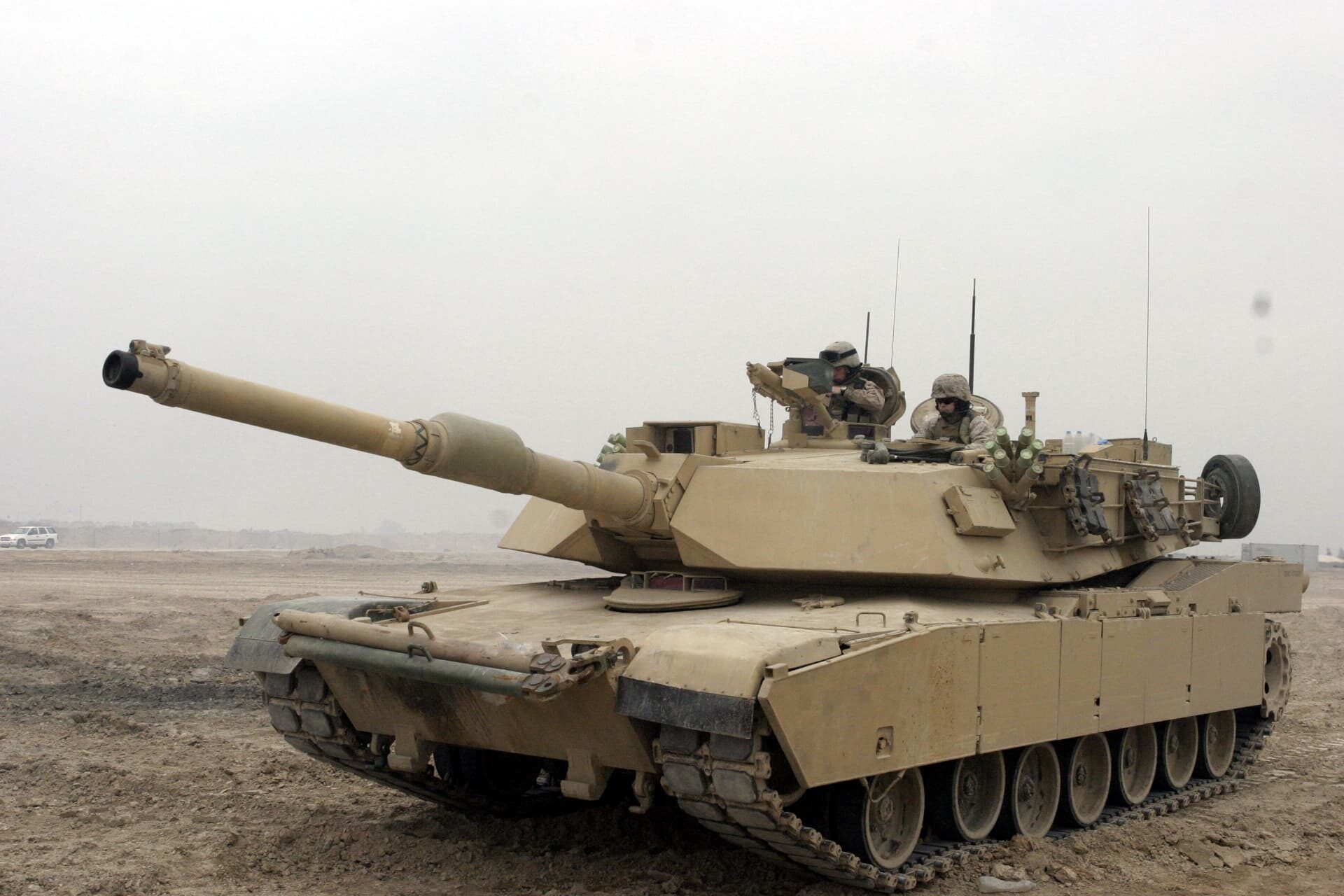
- 03Tank and cannon barrel programs
- 04Medium-caliber autocannon and chain gun fleets
- 05Depot-level overhaul and return-to-service inspection
- 06Pre-deployment fleet readiness verification
25mm – 155mm and larger
CALIBER RANGE
25–155mm
Autocannons to howitzers
NATO NATIONS
21+
Aligned & available
Workflow
The SAFEBORE workflow
01
Inspect
Document baseline bore condition with GBIS high-resolution imaging across the full tube length.
02
Clean
Remove copper, carbon and polymer fouling using chemistry formulated for the tube material and residue type.
03
Verify
Re-inspect the bore after cleaning and confirm complete fouling removal before sign-off.
04
Measure
Take bore dimensional measurements on a chemically clean surface, so wear is read as wear and not as residue.
05
Document
Record condition, measurements and imagery against the individual tube, and retain it for the next cycle.
Measurement on a fouled bore reads residue as wear. SAFEBORE measures after verified cleaning, so condition data reflects the tube.
Why SAFEBORE
Key Benefits.
Maintain known bore condition across the operational life of the tube.
- Fouling removed and removal verified before the tube returns to service
- Bore condition documented at each cycle against the individual tube
- Condition trended over time rather than assessed at a single point
Measure the tube, not the residue.
- Visual confirmation of fouling type and complete removal before sign-off
- Dimensional measurement taken on a verified clean bore
- Condition history retained per tube across cycles
One operator. One workflow. One record.
- Single-operator execution across multiple tube diameters
- Colour-change indicator confirms fouling removal — no subjective call
- Non-hazardous chemistry
The Record
The SAFEBORE Bore Record
Each tube carries its own record. Condition, imagery, measurements and cleaning history accumulate against that serial number across cycles — so the next inspection starts from the last one, not from zero.
Condition imagery captured at inspection and after verification
Dimensional measurements taken on a verified clean bore
Cleaning method and date, recorded per cycle
Trend across cycles for the individual tube
Note
Data ownership, retention and hosting posture are defined with the customer during the sustainment assessment.
Delivery
Program delivery
SAFEBORE is configured to how your organization already sustains its fleet.
Unit-performed
Zistos equips and trains your maintainers. Your personnel execute the workflow and hold the record.
Zistos-performed
Zistos or an authorized partner executes the workflow at depot or on site, and delivers the record.
Sustainment program
Scheduled, recurring execution across the fleet, with the record retained across the full life of each tube.
Configuration is determined by fleet size, tube types, and your existing maintenance cycle.
FAQ
Frequently asked questions
How is SAFEBORE different from a bore inspection system?
A bore inspection system shows condition at a point in time. SAFEBORE establishes condition through cleaning, verifies removal, measures the clean bore, and retains the result against that specific tube. Inspection is one stage of the program, not the whole of it.
What tube diameters does SAFEBORE cover?
SAFEBORE covers tube and barrel diameters from 25mm through 155mm and larger, spanning medium-caliber autocannons and chain guns through mortar tubes, tank and cannon barrels, and artillery systems. Configuration is set during the sustainment assessment based on the tube types in your fleet.
Who performs the work?
Three configurations are available. Your maintainers can execute the workflow after Zistos training, Zistos or an authorized partner can execute it at depot or on site, or the two can be combined across a fleet. The record is produced the same way in each case.
Why does the bore have to be cleaned before it is measured?
Fouling occupies bore volume. A measurement taken on a fouled bore can read residue as dimensional wear. SAFEBORE verifies complete fouling removal before measurement, so the recorded dimension reflects the condition of the tube itself.
Is SAFEBORE available to allied nations?
Yes. SAFEBORE is available to U.S. Department of Defense customers and to allied and partner nation defense organizations. Availability is confirmed during the assessment. Technical documentation is released only after verification of government or defense affiliation.
What documentation does SAFEBORE produce?
Each cycle produces condition imagery from inspection and post-clean verification, dimensional measurements taken on a verified clean bore, and the cleaning method and date — all recorded against the individual tube so condition can be trended across its service life.
Get Started
Request a Sustainment Assessment.
Tell us about your fleet and tube types. We'll confirm the SAFEBORE program configuration that fits how your organization already sustains its fleet.
This 7-step assessment evaluates your current bore cleaning, inspection, measurement, and data logging practices. Upon completion, a SAFEBORE specialist will review your responses and follow up within 1 business day.
Takes approximately 3 minutes · All responses remain confidential
Prefer to write to us
Website
zistos.comContact Zistos
zistos.com/contactEmail
info@zistos.comPhone
+1 (631) 434-1370Headquarters
Holbrook, New York, USA
7-Step Assessment
What we'll evaluate
Establish tube condition. Keep the record.
Talk to a Zistos sustainment specialist about your fleet, tube types, and current maintenance cycle.
View GBIS Systems